

Choose the Right ERP Before You Sit Through a Demo
Most failed ERP selections start with a product demo and end with a signature nobody can defend. We work the other way round: write down what the business needs, weight the criteria before anyone sees a screen, score the shortlist on evidence, and put a real total cost of ownership number in front of your board. We take no licence commission from any vendor.
50+ ERP and software projects. Zero failed projects since 2021.
You cannot evaluate an ERP until you can state what you need it to do
The demo is the easy part. Writing down your own processes, in enough detail that a vendor can be tested against them, is most of the work and almost nobody does it first.
A demo you have not scripted is a sales presentation
Vendors demo what their product does well. That is their job. If you have not written your own scenarios, you will watch four polished presentations, remember the one with the best presenter, and discover the gaps in month four of the build. We start by recording how an order, a purchase, a production run and a month-end close actually move through your business today, including the spreadsheets and the email approvals nobody admits to. That catalogue becomes the demo script. If you are already committed to SAP because of the 2027 ECC deadline, our SAP consulting page covers that path in detail.
- Requirements captured per department, in their words.
- Each requirement marked essential, important or nice to have.
- Vendors demo your scenarios, not their canned script.
The licence is the number you see, not the number you pay
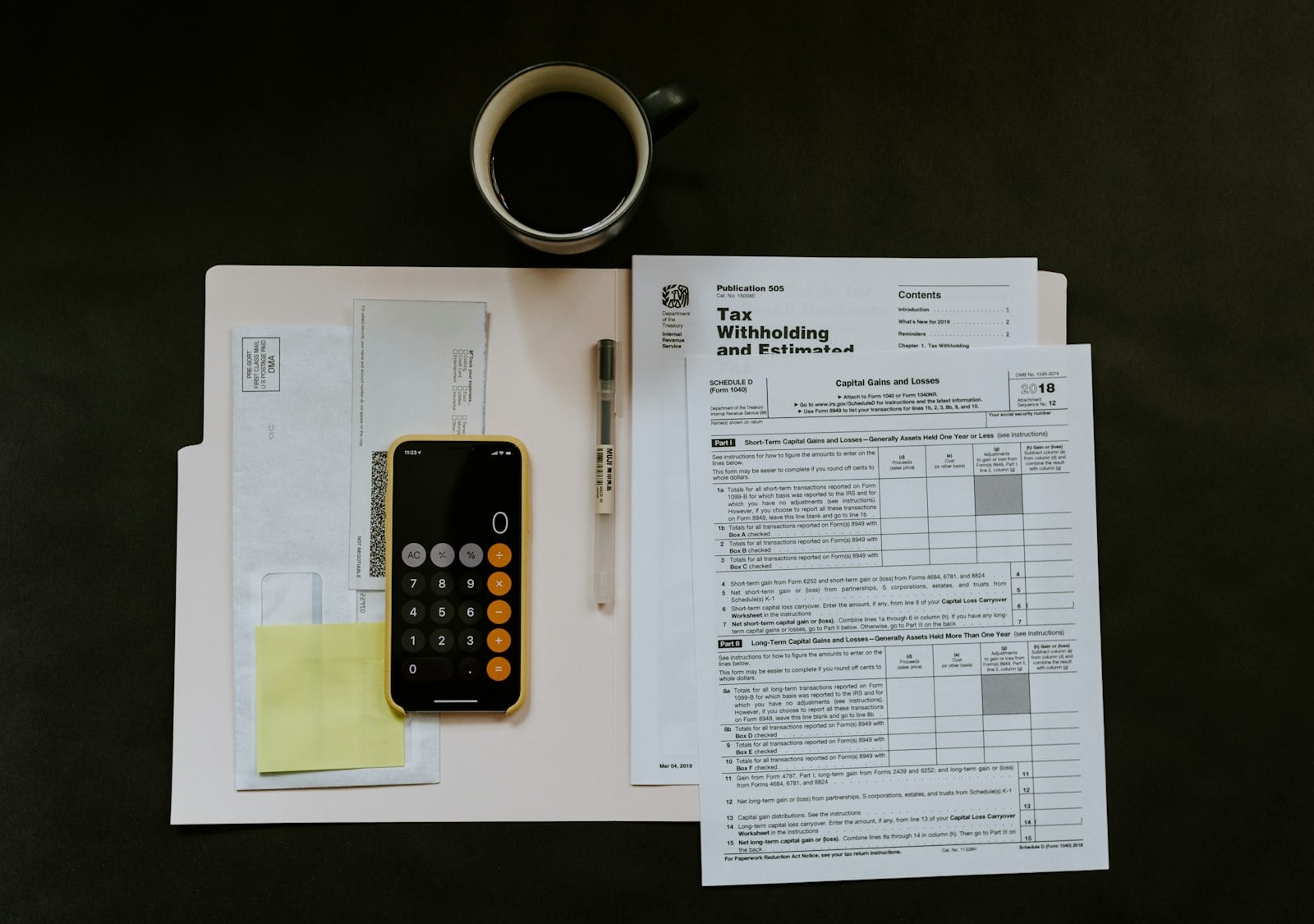
Buyers get caught here more than anywhere else. The licence quote is visible, comparable and reassuringly precise. Everything around it is not. Implementation, data migration, integration work, training, hosting, annual support and the internal staff time you will divert all land in the same year. In a typical mid-market project the first-year total lands at roughly three to five times the annual licence, and internal time is the line finance forgets entirely. We model it over three to five years so the cheap option is still the cheap option in year four.
- Licence, implementation, migration, integration and training in one model.
- Internal staff days costed, not assumed free.
- Three to five year horizon, because year one flatters nobody equally.
What a real evaluation scores against
Six criteria, weighted and signed off by your steering group before the first demo, so the decision is not made by whoever speaks loudest in the room.
Five stages from problem statement to signed business case
Everything the engagement produces
Requirements catalogue
Your processes written down per department, each requirement classed essential, important or nice to have.
Weighted scoring model
Criteria and weights agreed up front, with the evidence behind every score recorded next to it.
Scripted demo pack
Demo scripts built from your own scenarios, issued to every vendor so you compare like against like.
Fit-gap register
Every gap resolved to a decision: change the process, configure, extend, or accept and work around.
TCO and business case
A three to five year cost model, an implementation estimate and the benefits stated in numbers you can audit.
Readiness assessment
A plain report on sponsorship, project ownership, data quality and whether you can absorb this now.
What you hold at the end of a proper selection
Already know which ERP you want?
If you have already made the call, here is what delivery looks like on each of the three platforms we implement.
Why teams bring us in before they choose
ERP consulting questions
How long does a proper ERP selection take?
Do you resell any of the ERP platforms you recommend?
How do we compare an open source ERP against a licensed one on cost?
Should we run the selection in-house or bring in a consultant?
What if the answer is that our current systems are fine?
What are the deliverables at the end of the engagement?
Get a Straight Answer Before You Commit
Book a free consultation. We will look at what is actually breaking, whether an ERP replacement is the right response this year, and what a structured selection would cost you in time and money.
Book a Free Consultation →No commitment, and no licence commission on any recommendation we make.
What Is Inside an ERP Selection Engagement
The work is documentation, evidence and arithmetic, not opinion. Here is how we capture requirements, run the evaluation, decide what to do with every gap, and tell you honestly whether your organisation can absorb the change this year.
From a written requirement to a business case that survives a board meeting
Every gap ends in one of four decisions
We record each process as it runs today, then walk it against the shortlisted platforms in workshops that take two to four weeks. A gap is not a finding, it is a decision waiting to be made. For each one you choose to change the process, configure the system, extend it with development, or accept the gap and keep the workaround. The discipline is that nothing stays unresolved, because unresolved gaps become change requests at three times the price.
- Processes documented per department, spreadsheets included.
- Every requirement classed essential, important or nice to have.
- Change, configure, extend or accept, decided and owned per gap.
Scripted demos, reference calls and a score you can audit
The longlist is cut on hard constraints first, such as statutory reach, entity count and integration needs. Three platforms go through to scripted demos run on your scenarios and your sample data, with the same script for each vendor. We place the reference calls ourselves and ask the questions vendors would rather you did not, including what went wrong and what the final cost was against the original estimate. Every score carries the evidence behind it.
- Weights agreed and signed before any vendor is contacted.
- Identical demo scripts, so you compare like against like.
- Reference calls on projects of your size and sector.

Whether you can absorb this while still running the business
Nobody assesses readiness, which is why so many programmes stall in month five. We check four things: is there an executive sponsor who will make unpopular calls, is there a named internal project owner with real hours allocated rather than a title, is your master data good enough to migrate, and does the organisation have the capacity to change while still trading. The business case then carries a three to five year total cost of ownership model, so the decision is made on the full number.
- Sponsorship and a named owner with allocated time, or a flag raised.
- Master data sampled, because migration cost tracks data quality.
- Three to five year TCO, implementation estimate and phasing plan.

Everything the engagement hands over
Requirements catalogue
Your processes and requirements written down per department and prioritised, usable long after the selection.
Scoring model and results
Weighted criteria, the score for each shortlisted platform, and the evidence recorded against every line.
Demo scripts and notes
The scenarios each vendor was asked to run, plus what they showed, what they avoided and what they promised.
Fit-gap register
Each gap closed with a decision, an owner and an effort estimate, ready to hand to whoever implements.
TCO model
A spreadsheet you keep, covering licence, implementation, migration, integration, training, support and internal time.
Recommendation report
A written recommendation with the reasoning, the risks named, and a phasing plan your board can act on.