

Forecast Sales From Your Real Data, Not Gut Feel
The model reads your pipeline and history, predicts what will close and when, and shows how confident it is. It flags the deals and risks that move your number, so leaders plan with a forecast they can trust.
50+ ERP and software projects. Zero failed projects since 2021.
A forecast is a plan, so it has to be right
Stock, cash and hiring all follow the sales number. When that number is a guess, the whole plan wobbles.
Predict what will close from how deals really behave
A gut-feel forecast is one person's read of a deal list. The model looks at how similar deals converted before, weighs stage, age, size and rep patterns, and gives each deal a probability. The number is built from evidence you can check.
- Each deal scored on its own history.
- Stage, age, size and seasonality weighed together.
- A confidence level shown with every forecast.

Know which deals will slip before the month closes
Most forecasts fall apart at month-end because the risks were hidden until it was too late. The model flags the deals that are stalling, the ones pulled in too fast, and the gap between committed and likely, so your team acts while there is still time.
- Stalled and at-risk deals surfaced early.
- The gap between commit and likely made clear.
- Fewer surprises when the month closes.
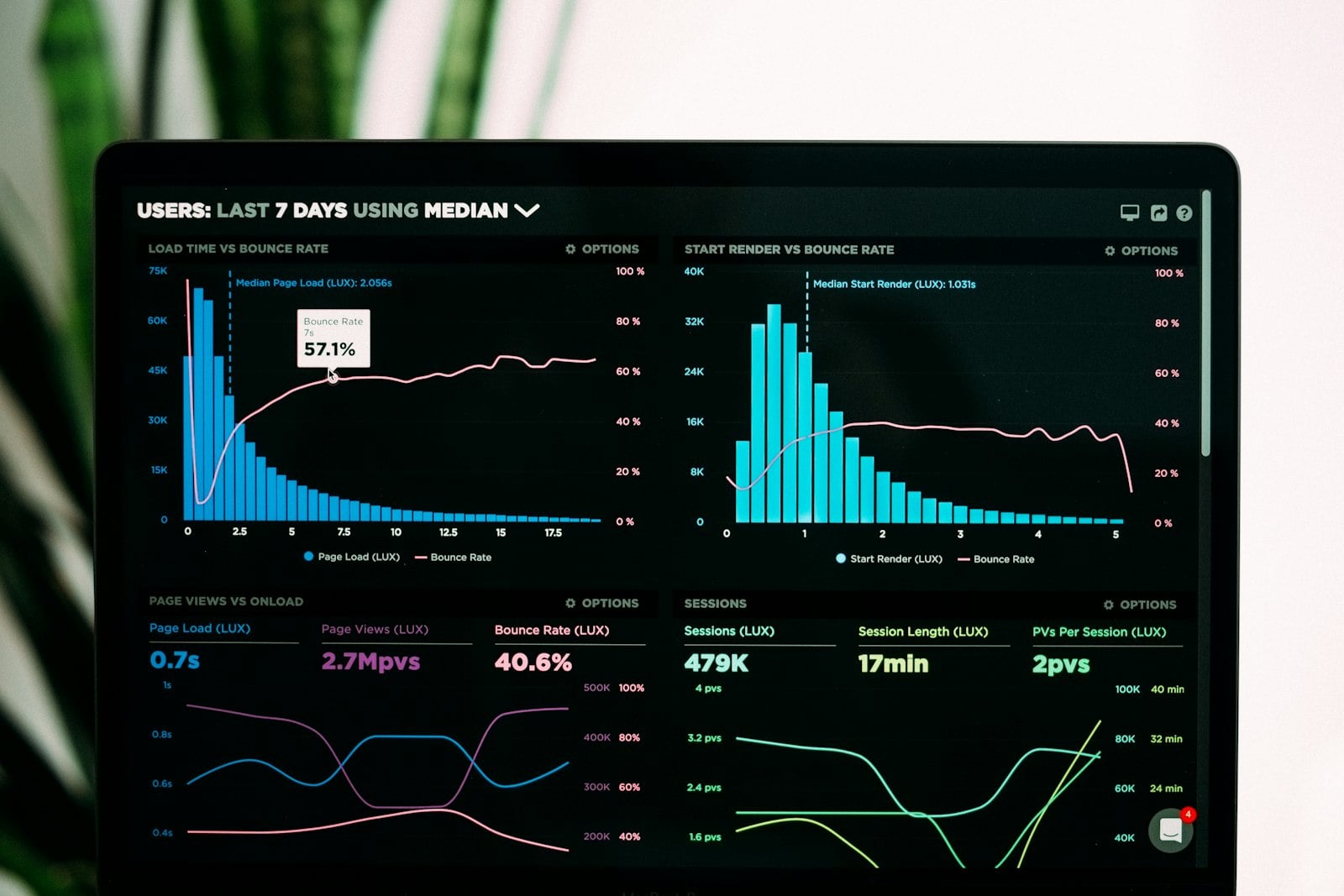
The factors the model weighs
The forecast is not one signal. It combines the things that actually decide whether a deal closes and when.
From your data to a forecast you can plan on
More than a single revenue number
The same data supports the forecasts leaders and planners actually need to make decisions.
Revenue this period
The expected close for the month or quarter, with a confidence range so you know how firm it is.
Pipeline coverage
Whether the pipeline is enough to hit target, and how much more you need to build to get there.
Deal-level probability
A likelihood and expected close date for each open deal, based on how similar deals behaved.
Demand and stock
Likely order volume by product, so planning of stock and production is based on real signals.
Cash timing
When revenue is likely to land, so finance can plan cash and commitments with fewer surprises.
At-risk deals
The deals stalling or slipping, flagged early, so the team can act before the month closes.
What a trusted forecast changes
Why teams choose TCB Infotech for sales forecasting
AI sales forecasting questions
What is AI sales forecasting?
What data does the forecast use?
How is this different from a spreadsheet forecast?
Does it show why the number is what it is?
Which AI model do you use?
How long does it take to set up?
Plan on a Sales Forecast You Can Trust
Book a free consultation. We will look at your pipeline and order data and show you what an AI sales forecast would look like for your business.
Book a Free Consultation →No commitment. A practical first look at forecasting from your data.
What Is Inside AI Sales Forecasting
The forecast runs on your real data, not a template. Here is what it reads, how it shows confidence and risk, and what your team gets to plan with.
From your pipeline to a forecast you can plan on
Built on your pipeline and order history
The model reads the data you already have in your CRM and ERP, so the forecast reflects how your deals really convert. There is no new manual entry, and the number is grounded in your own history rather than a flat percentage.
- Reads CRM pipeline and ERP order history.
- Learns your real conversion by stage and size.
- No extra data entry for the sales team.
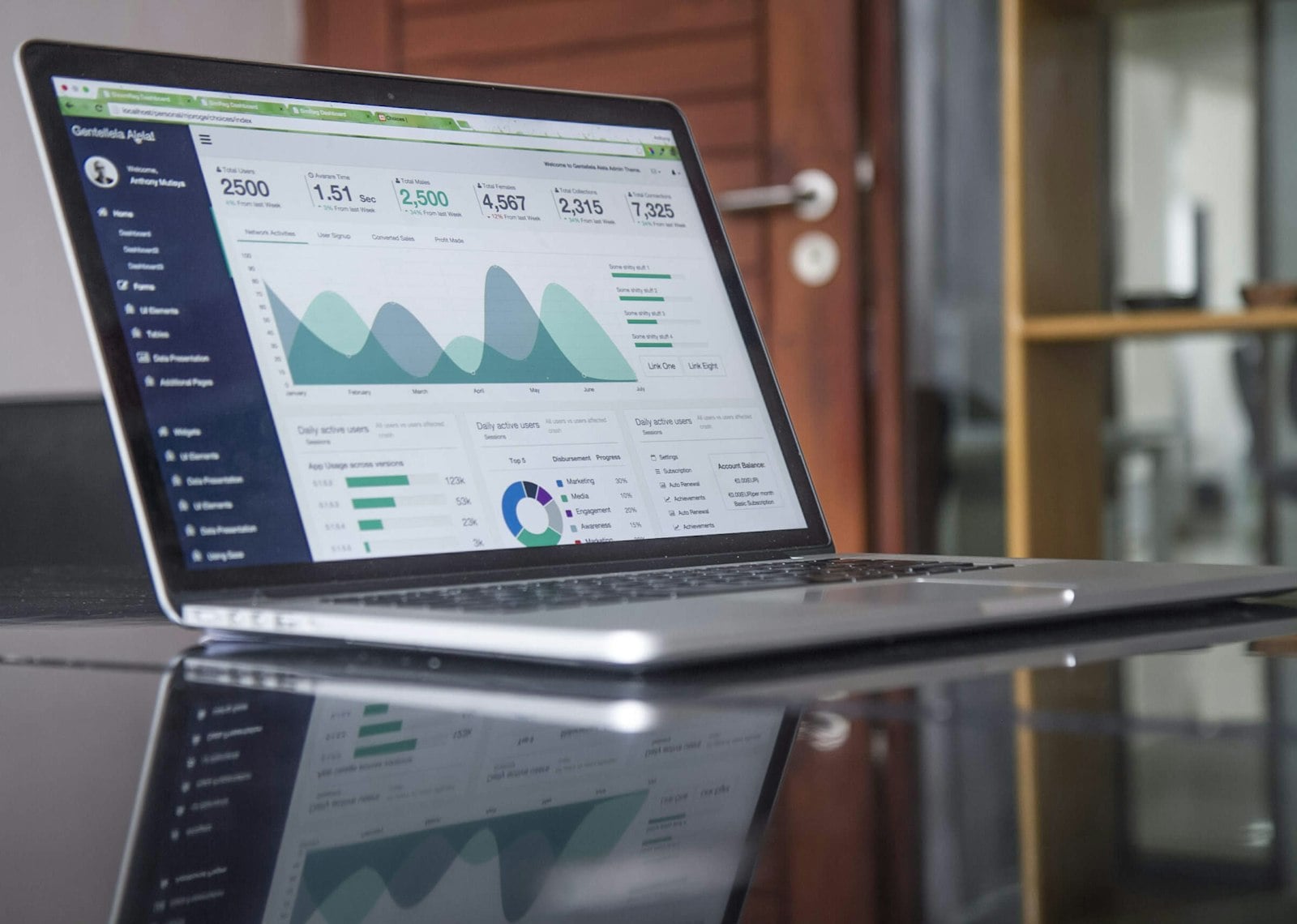
Every number carries a confidence level
The forecast shows how sure the model is, and highlights the deals and factors moving the number the most. Deals that are stalling or slipping are flagged early, so your team acts while there is still time to change the outcome.
- A confidence level shown on every forecast.
- The deals and factors that move the number.
- At-risk deals flagged before month-end.
Turn the forecast into better planning
Because the forecast predicts what will close and when, planning of stock, production and cash can follow real signals instead of last year plus a guess. Leaders get one number the whole team can plan around, with fewer surprises later.
- Likely demand by product for stock planning.
- Revenue timing for steadier cash planning.
- One forecast the team plans around.

Everything the forecast delivers
Forecast with confidence
A revenue forecast for the month or quarter, with a confidence range so you know how firm it is.
Deal-level scores
A probability and expected close date for each open deal, based on how similar deals behaved.
Risk flags
Stalled and slipping deals surfaced early, so the team can act before the month closes.
Pipeline coverage
Whether the pipeline is enough to hit target, and how much more you need to build.
Demand signals
Likely order volume by product, so stock and production planning follow real demand.
Model-agnostic setup
An approach fitted to your data and goals, yours to run with any partner or team, no lock-in.