
Predict Machine Failures Before They Happen
AI watches your machine signals, vibration, temperature and run hours, spots the early signs of wear, and flags which machine needs attention and roughly when. You fix things on a plan instead of in a breakdown.
50+ ERP and software projects. Zero failed projects since 2021.
Illustrative figures
A breakdown always costs more than a planned fix
When a machine stops without warning, you lose the run, the labour, the rushed repair and the order. Predictive maintenance moves the fix to a moment you choose.
Fix the machine on a plan, not in a panic
An unplanned stop drags in overtime, a rushed spare part and a line that sits idle while everyone waits. When AI flags the machine days ahead, you plan the repair into a shift when it hurts least and keep the order on time.
- Early warning instead of a sudden stop.
- Repairs scheduled into planned downtime.
- Fewer missed orders and rush charges.
Your machines are already telling you when they are tired
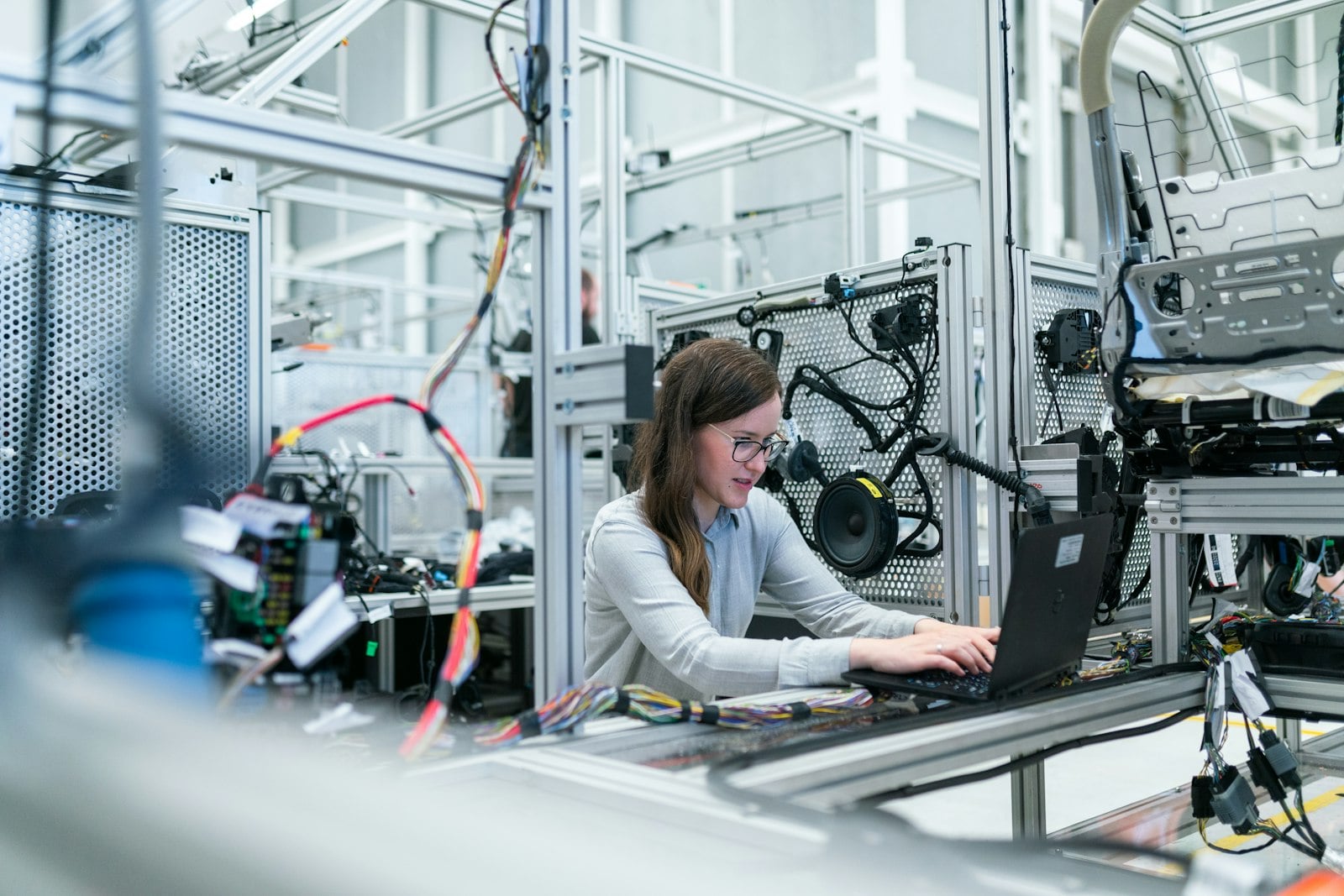
Vibration creeping up, temperature climbing, run hours stacking, small changes that a person cannot track across a full floor. AI reads these signals alongside your maintenance history and ERP records, and learns the pattern that comes before a failure.
- Signals from sensors and machine controllers.
- Maintenance history and ERP work orders.
- Patterns a person cannot watch by hand.

What the AI watches on every machine
It tracks each signal against the machine's own normal range and flags when the mix starts to drift toward failure. Figures below are illustrative.
From machine signals to a maintenance plan
The failures you want to catch early
The model is trained on your own machines, so it flags the wear patterns that actually happen on your floor.
Bearing and gear wear
Rising vibration and heat that point to a bearing or gear heading toward failure, days before it seizes.
Overheating
Temperature creeping above the normal range for a motor, spindle or drive, so you act before it trips or burns out.
Motor and drive strain
Motor load and current drifting in a way that signals a struggling drive or a developing electrical fault.
Lubrication and flow issues
Pressure and flow readings that fall out of range, hinting at a blocked line, a failing pump or low lubrication.
Slowing cycle time
A machine quietly taking longer per cycle, an early sign of wear that shows up before any alarm.
Quality drift
A rise in reject or rework rate tied to a specific machine, linking product quality back to machine condition.
What predictive maintenance changes on the floor
Why manufacturers choose TCB Infotech
Predictive maintenance questions
What is predictive maintenance?
What data does it need?
How is this different from scheduled maintenance?
Do we need to replace our machines or sensors?
Which AI model do you use?
How long before we see results?
See Which Machines You Could Catch Early
Book a free consultation. We will look at your machines, the data you already collect, and where an unplanned stop hurts most, and show you what predictive maintenance would cover for your floor.
Book a Free Consultation →No commitment. A practical first look at predictive maintenance for your machines.
What Is Inside Predictive Maintenance
It is a working AI service tied to your machines and your ERP, not a dashboard you have to watch. Here is what it reads, what it predicts, and how a warning turns into a scheduled repair.
From machine signals to a scheduled repair
It reads the machine and the ERP together
The service pulls in vibration, temperature, load and run hours from your machines and sensors, and joins them with maintenance history and ERP records like work orders and downtime. It learns each machine's normal range instead of using a generic threshold.
- Sensor and machine controller signals.
- Maintenance history and ERP work orders.
- Each machine's own normal running range.
It tells you which machine and roughly when
Instead of a single alarm, the model gives a health reading per machine and an estimate of how long you have before it is likely to fail. That lead time is what lets you plan the repair rather than scramble when the line stops.
- A health score for each machine.
- An estimate of time before likely failure.
- The signals behind each warning, in plain terms.
A warning becomes a planned work order
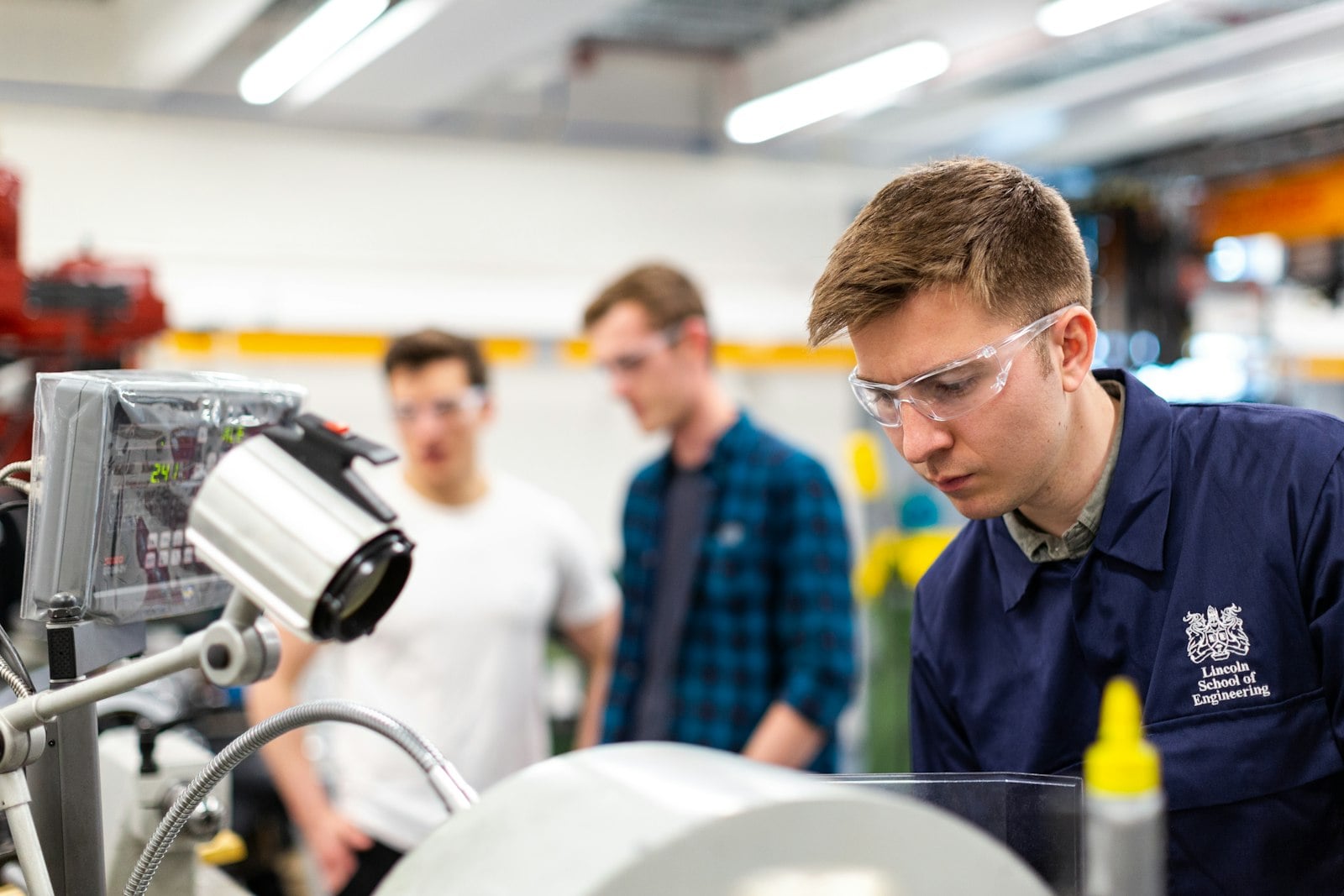
Each prediction turns into a maintenance task your team can slot into a shift that suits the plan. The warning lands where your maintenance team already works, so it drives action instead of sitting in yet another tool nobody checks.
- Predictions raised as clear work orders.
- Repairs planned into low-cost windows.
- Warnings in the tools your team already uses.
Everything the service delivers
Condition monitoring
Every tracked machine watched in the background against its own normal range, around the clock.
Failure prediction
A health reading and an estimated time to failure for each machine, so you know where to look first.
Automated work orders
Warnings raised as maintenance tasks with the machine, the likely issue and a suggested window.
Health and downtime view
A simple view of machine health, open warnings and downtime, tied back to your ERP data.
Model-agnostic build
The AI approach that fits your machines, trained on your own history, with no vendor lock-in.
Learning over time
Every confirmed failure and repair feeds back in, so the predictions get sharper as it runs.